The past has never gone out of style. You feel it in the proportions of a room, in the weight of a well-made tassel, in a braid that has outlived the century that made it. At Samuel & Sons, we don't preserve heritage under glass. We carry it forward, translating the techniques of earlier eras into a contemporary study of color, texture, and form, refined with modern restraint.
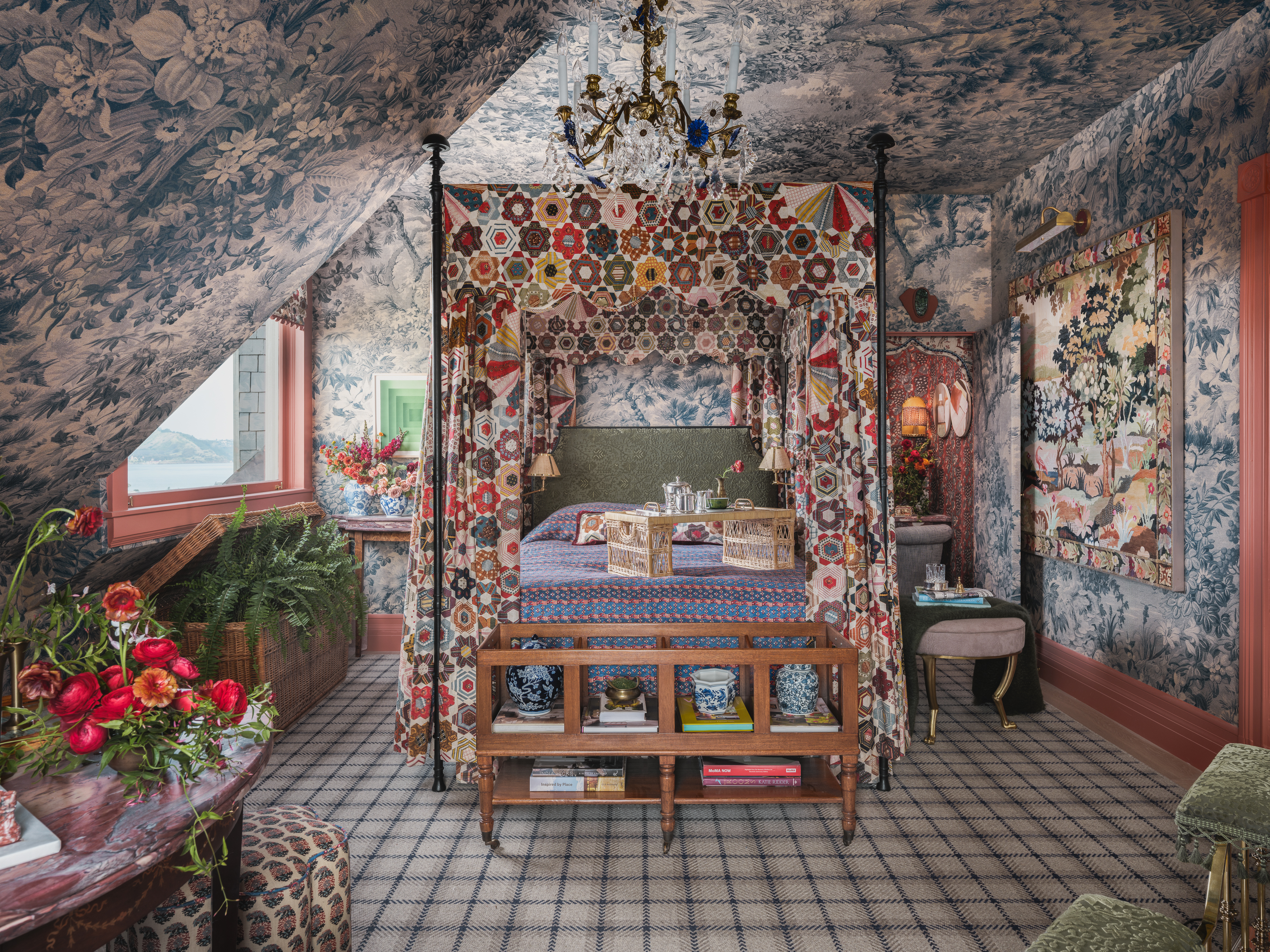
The most compelling interiors are conversations with the past rather than recreations of it. They borrow a romantic sensibility here, a sartorial discipline there, bringing them into the present. Trim has always been the language of that exchange. It once signaled status and craftsmanship. Today it lends a room memory without tipping into nostalgia, each hand-knotted tassel and intricately woven braid showing the skill of the hand that made it. We asked three designers how they look to the past to move their work forward: what they search for, what they keep, and what they leave behind.
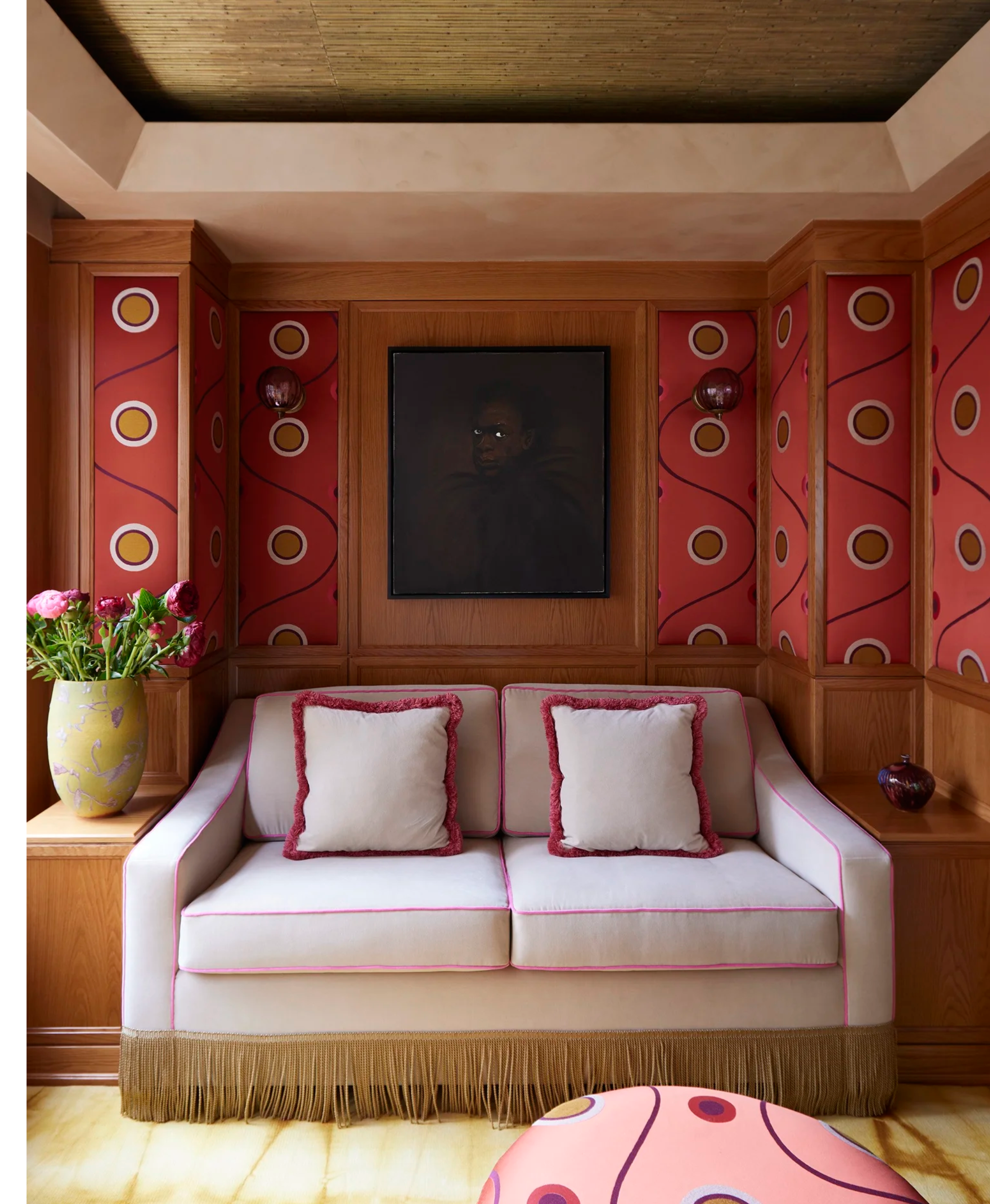
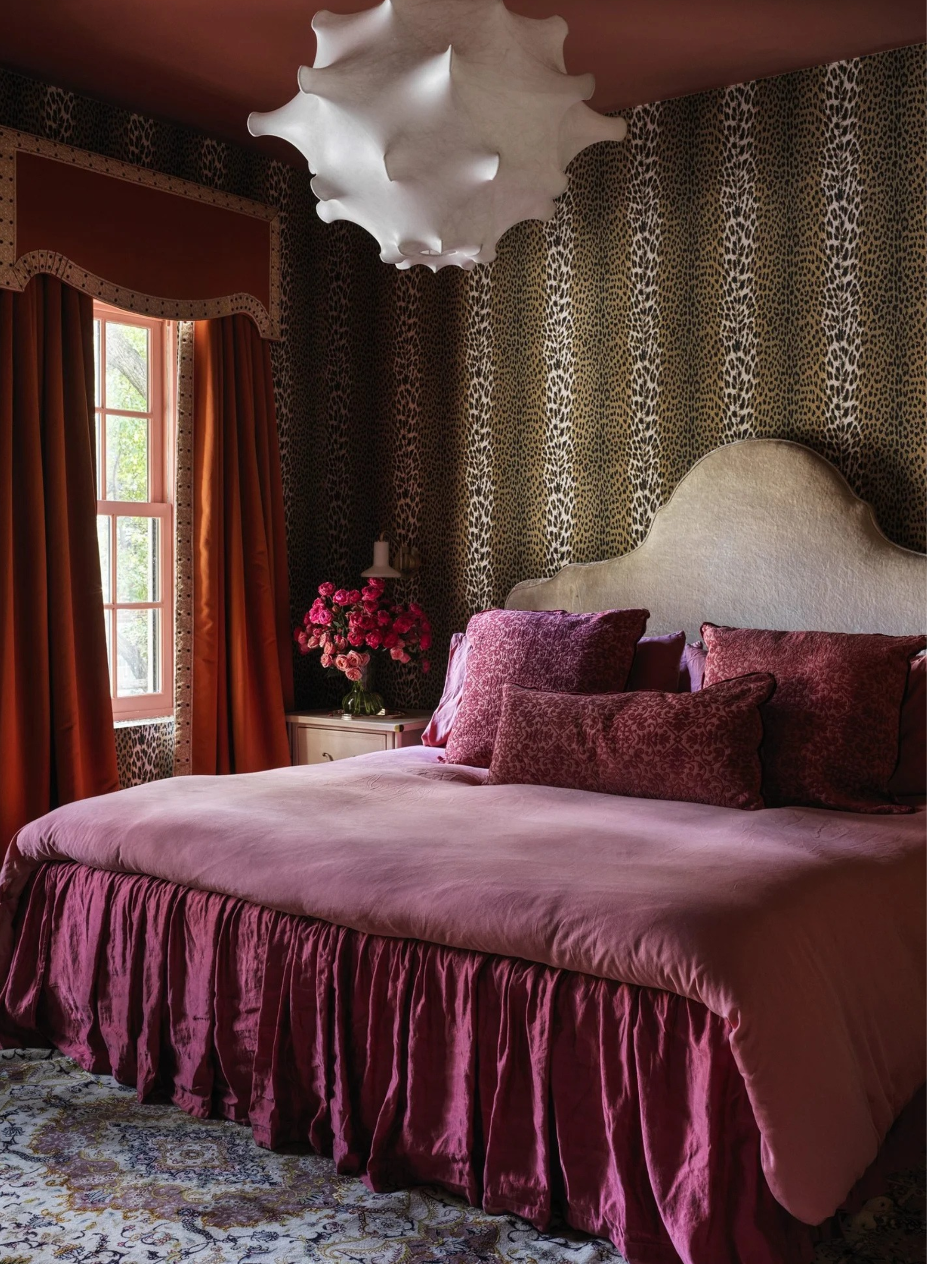
Known for her fearless mashup of color, pattern, and ornament, Sasha Bikoff demonstrates a spirited blend of historical knowledge, world travel, and unapologetic creativity. The resulting interiors celebrate the enduring relevance of decoration while challenging convention.
Samuel & Sons: When you look to the past for inspiration, what are you searching for?
Sasha Bikoff: When I look to the past for inspiration, I search for revolutionary design that has changed how we view interiors as well as interiors that have set standards and started unique trends that have become known to be classics. 1970s and 1980s Italian design, 18th-century French design, Art Deco, Art Deco revival, and the 1960s space age have all influenced my work.

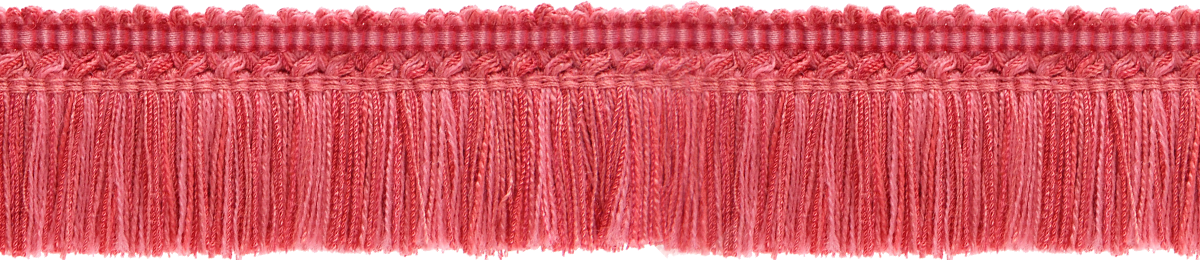
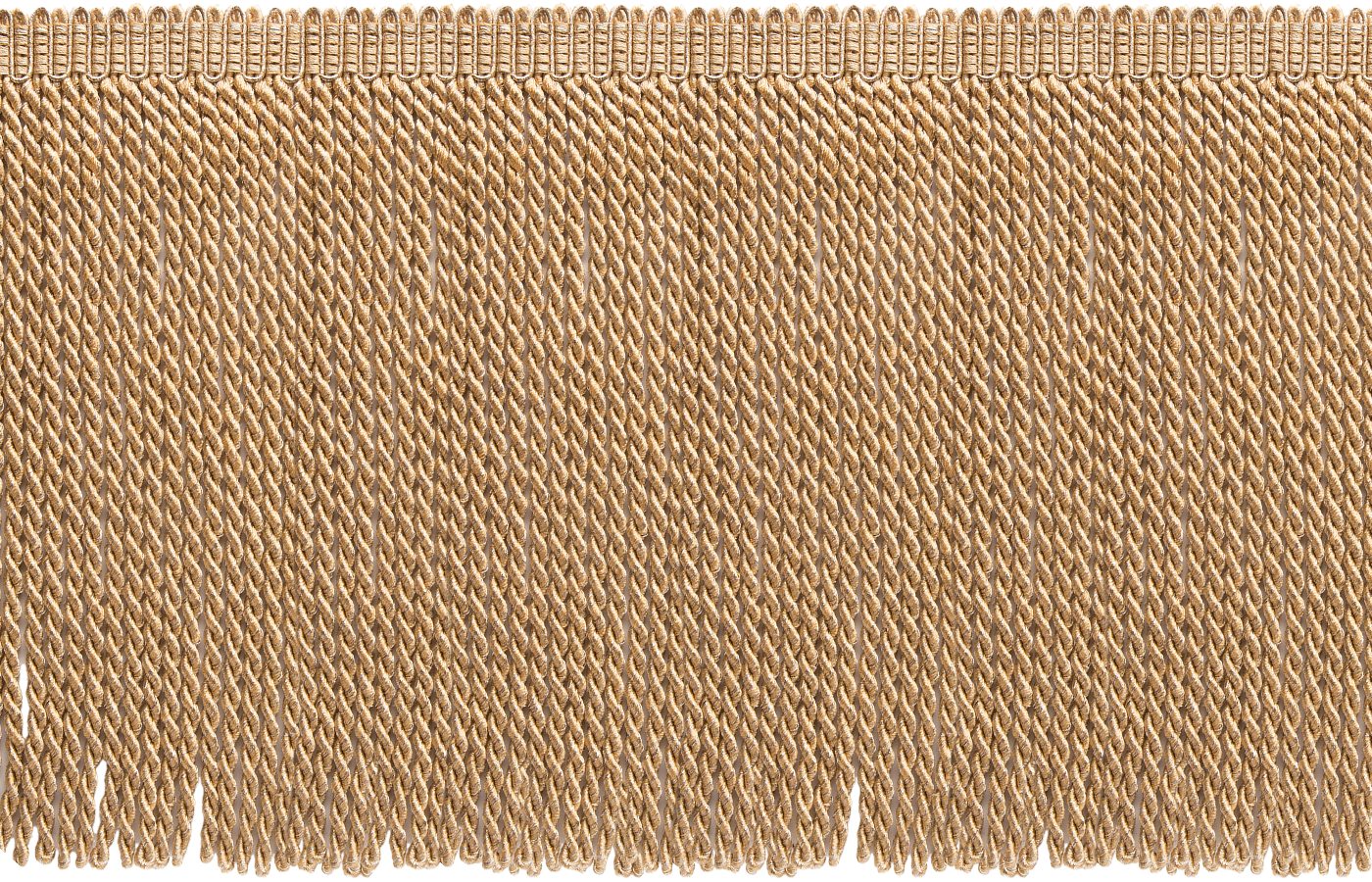
 S&S: What distinguishes a modern interpretation of a traditional interior from a period recreation?
SB: A modern interpretation of a traditional interior involves taking a fresh approach that pays homage to the past while evoking the present or future. Fabric, pattern, and color are the best ways to reference past traditions.
S&S: How do you decide what to preserve, reinterpret, or leave behind when referencing a historical style?
SB: I think it's more of a feeling and what connects to the space and the atmosphere.
S&S: What separates a room that feels timeless from one that feels nostalgic?
SB: Timeless rooms can be exciting but sometimes people misinterpret them as being safe. Nostalgic rooms are fun too because it's kind of like a time capsule. I think both are important.
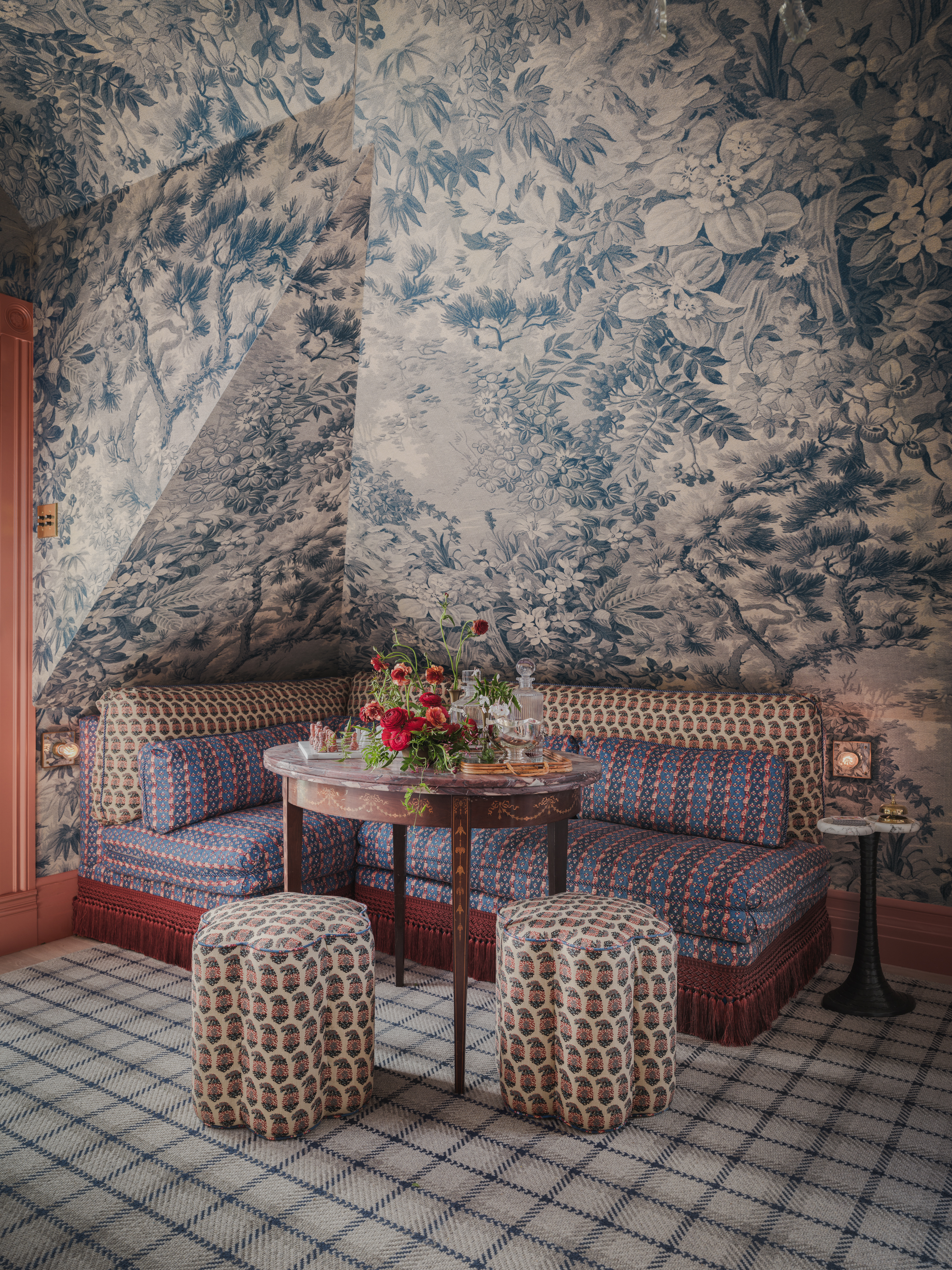
Led by Deborah Jeanne Costa and Kristine Renee, Jeanne Renee Design blends global influences and a passion for craftsmanship to create richly layered interiors that feel both timeless and distinctly personal.
Samuel & Sons: How do you decide what to preserve, reinterpret, or leave behind when referencing a historical style?
Jeanne Renee: We work on many historic properties, and preservation is something we care deeply about. Whenever possible, we try to honor the original bones of a home and retain as much of its character as we can. When changes are necessary, our goal is to make them feel like a natural continuation of the story rather than an interruption. We want new additions to feel relevant to the architecture and context of the home, not overly modern or disconnected. The result should feel cohesive, as though it has always belonged there, while still supporting the way people live today.

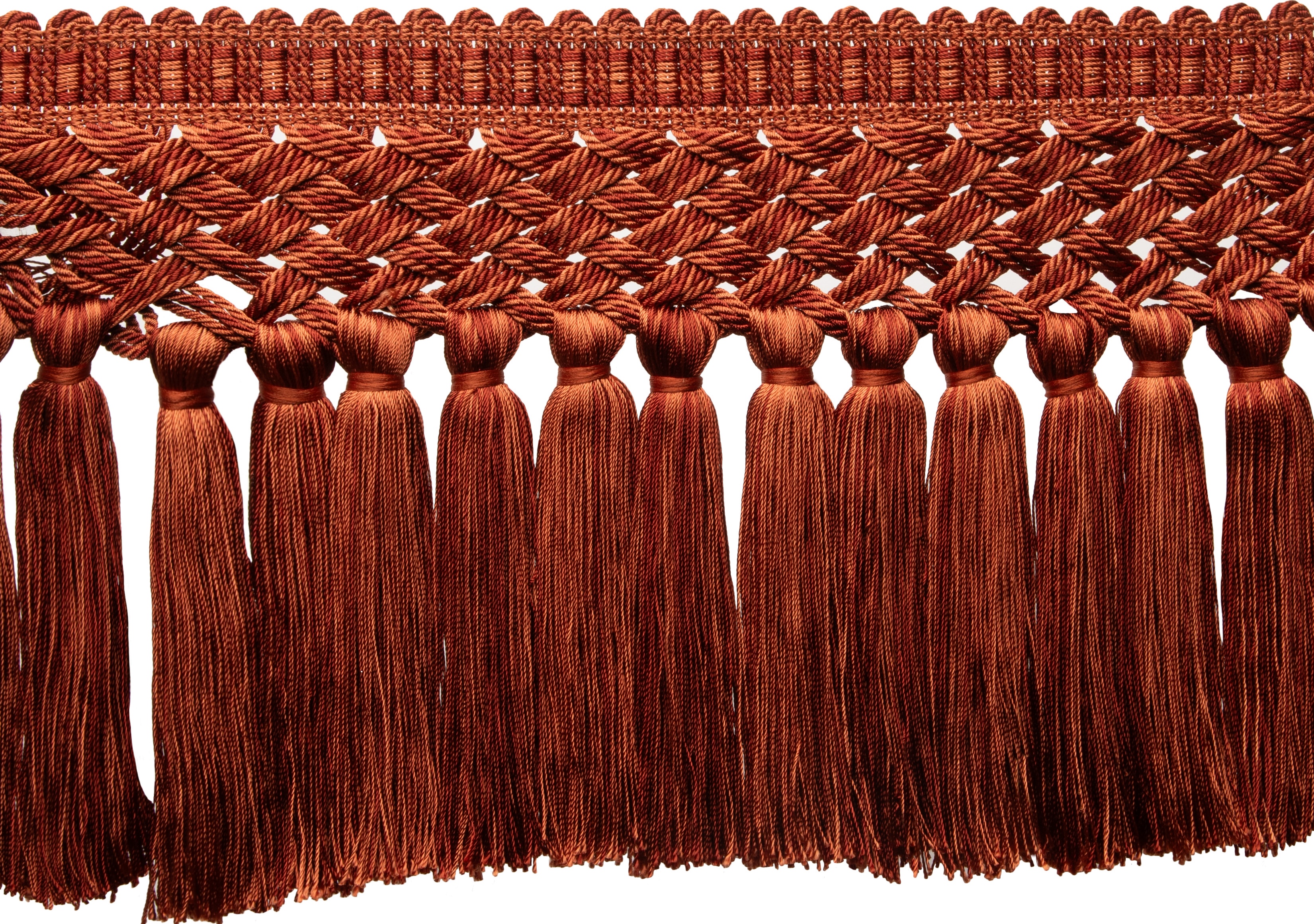
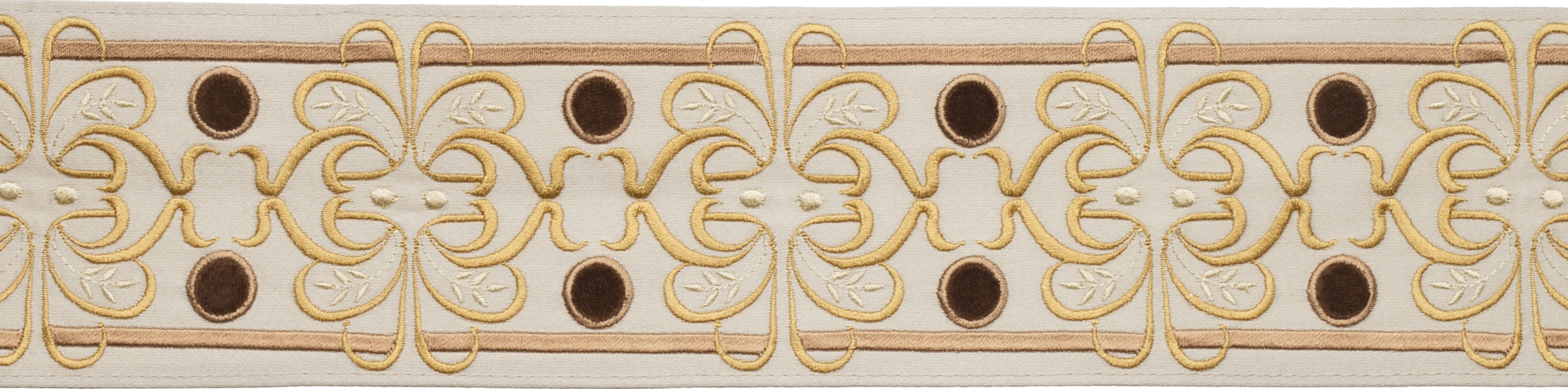
S&S: Historically, trim often signaled status and craftsmanship. What do you think it communicates in a room today?
JR: I think it still communicates craftsmanship, but it also speaks to individuality. It’s easy today to purchase furnishings straight from a showroom floor or a large retailer, but trimmings offer an opportunity to make something uniquely your own. Whether it’s reupholstering a chair, adding a custom border to a textile, or selecting a special trim, those details show intention. They reflect a level of care and thoughtfulness that can’t be mass produced. At the end of the day, it’s all in the details, and those details are often what make a room memorable.
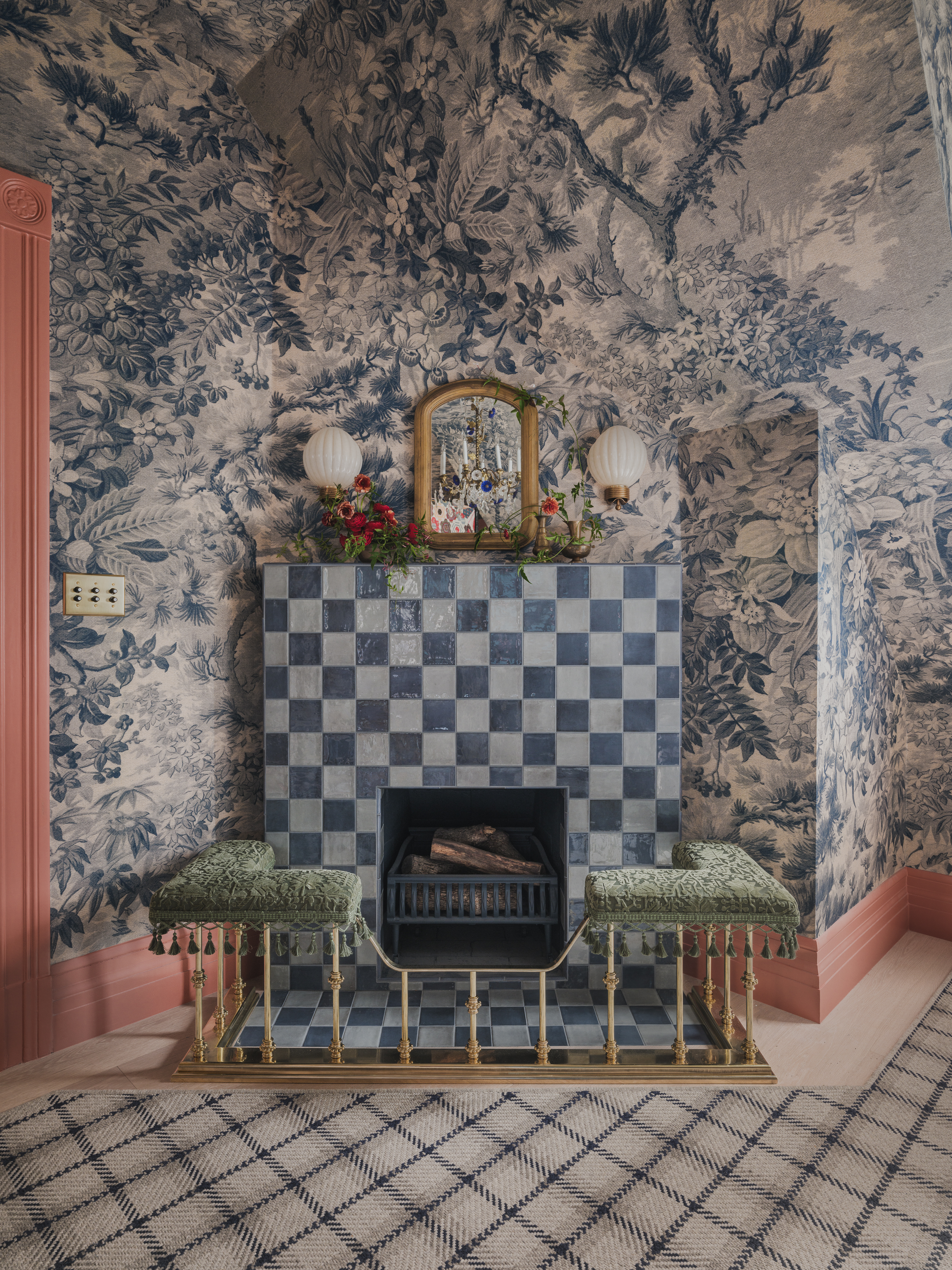
S&S: How do you balance a sense of tradition with the expectations of modern living?
JR: Being a mother-daughter team gives us a unique perspective because we're constantly thinking about homes through the lens of generational living. We understand that many of a family's traditions are created within the home, and those traditions often shape how a space is used and experienced over time. One of the first conversations we have with new clients is about how they live. How do they entertain? How do they celebrate holidays? Where do family and friends naturally gather for meals and conversation? Understanding those rituals helps guide the design and ensures the home reflects the people who live there. While we often draw inspiration from traditional architecture and historical references, we balance that sense of tradition with modern sensibilities. We make sure the layout, furniture plan, and overall functionality support the way families live today, incorporating the amenities, technology, and flexibility that contemporary life requires. The goal is to create homes that feel timeless and rooted in tradition, while working beautifully for modern living.
.png)
S&S: What separates a room that feels timeless from one that feels nostalgic?
JR: When I think of a nostalgic room, I think of my pink stenciled bedroom when I was nine years old. Nostalgic interiors are often tied to a particular moment in time or evoke a very specific memory. They can be beautiful, but they're usually referencing something distinct and familiar. A timeless interior feels different. It has a strong sense of place and identity, but it isn't trying to recreate a specific era. Instead, it's built through a layered mix of furniture, furnishings, fixtures, and influences from different periods. Color, pattern, texture, and materials come together to create depth and character, making the space feel rich and enduring rather than predictable. Timeless interiors evolve gracefully because they're grounded in quality, authenticity, and personality rather than trends, allowing them to remain relevant and inviting for years to come.
.png)

Drawing on a background in construction, project management, and dance, Francis Toumbakaris of Francis Interiors creates richly layered residences that marry historical character with contemporary living, recently exemplified in his thoughtfully restored West Village townhouse project.

Samuel & Sons: When you look to the past for inspiration, what are you searching for?
Francis Toumbakaris: When I look to the past, I search for lineage. I want to understand what defines a period: its materials, motifs, craftsmanship, and the way ornament and architecture worked together to create a distinct identity. History offers clues about how people lived, what they valued, and how beauty was expressed through design. The goal is never to recreate the past exactly. It is to understand its DNA and reinterpret it for the way we live today.
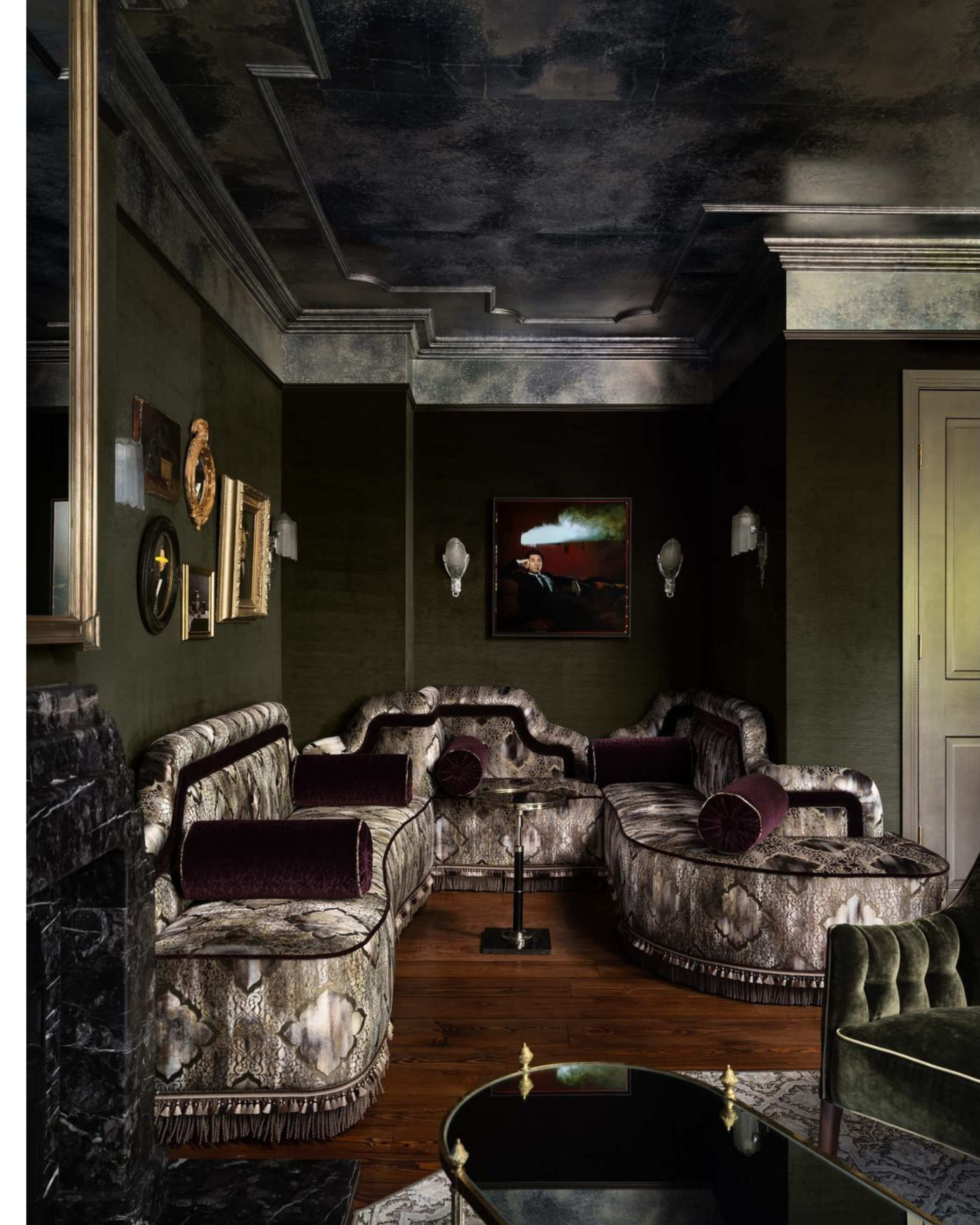
S&S: How do you decide what to preserve, reinterpret, or leave behind when referencing a historical style?
FT: Not every historical element deserves to survive unchanged. I ask myself whether a detail still serves the way we live today, both functionally and emotionally. Elements that possess craftsmanship, beauty, or a strong sense of identity are often worth preserving or reinterpreting. Others may feel too literal, overly decorative, or disconnected from contemporary living. The editing process is important. Sometimes that means simplifying ornament, enlarging its scale, reducing a palette, or using traditional details more selectively. The goal is to preserve the spirit of an era without inheriting all of its limitations. History should be a conversation, not a set of instructions.


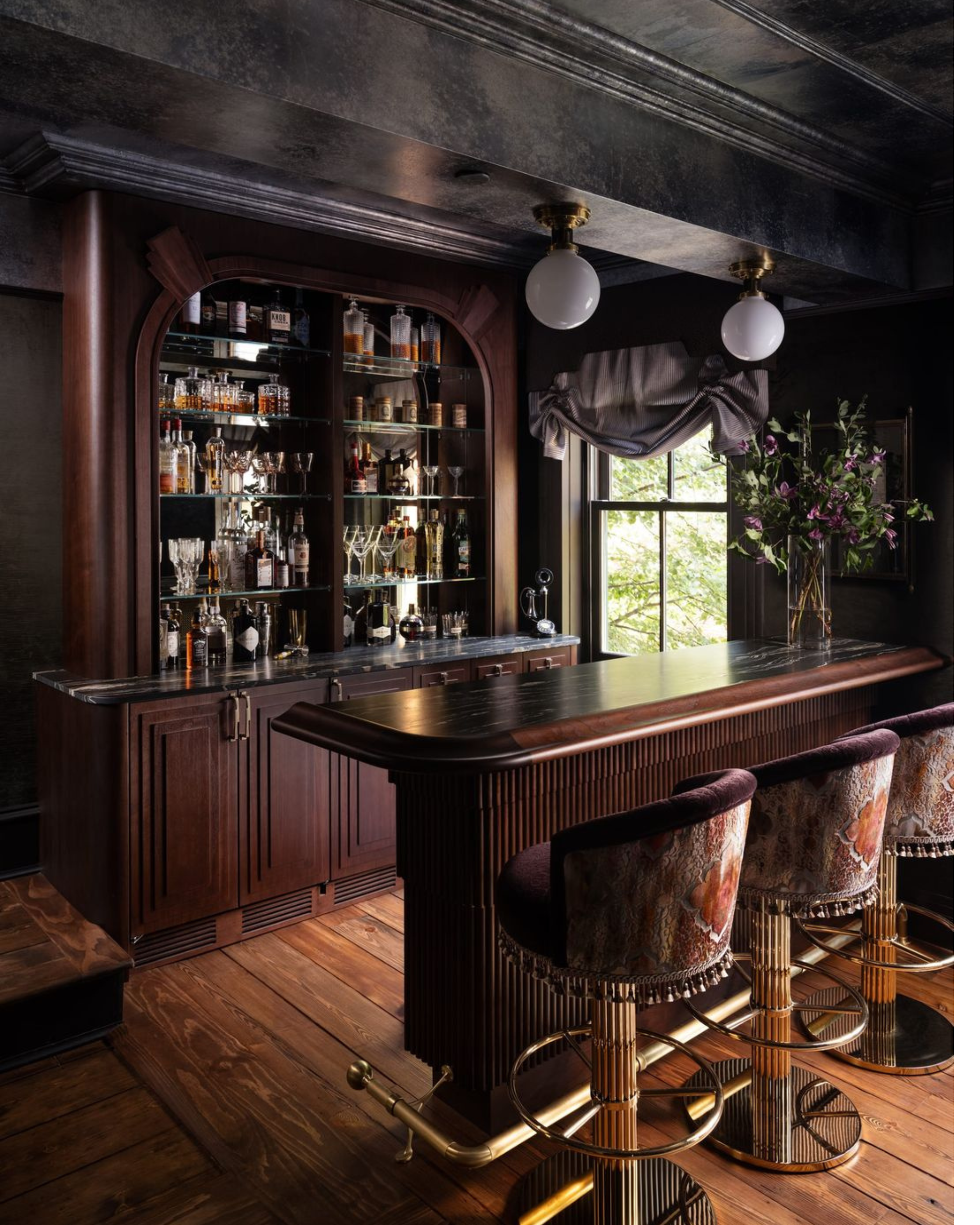
S&S: How do you balance a sense of tradition with the expectations of modern living?
FT: I believe tradition gives us wisdom, while modern living gives us purpose. The beauty, craftsmanship, and decorative language of the past still have much to teach us, but our homes must ultimately support the way we live today. They need to accommodate technology, comfort, informality, and the changing rhythms of contemporary life. My role as a designer is to create a dialogue between the two. A home should never feel like a museum. It should feel timeless.
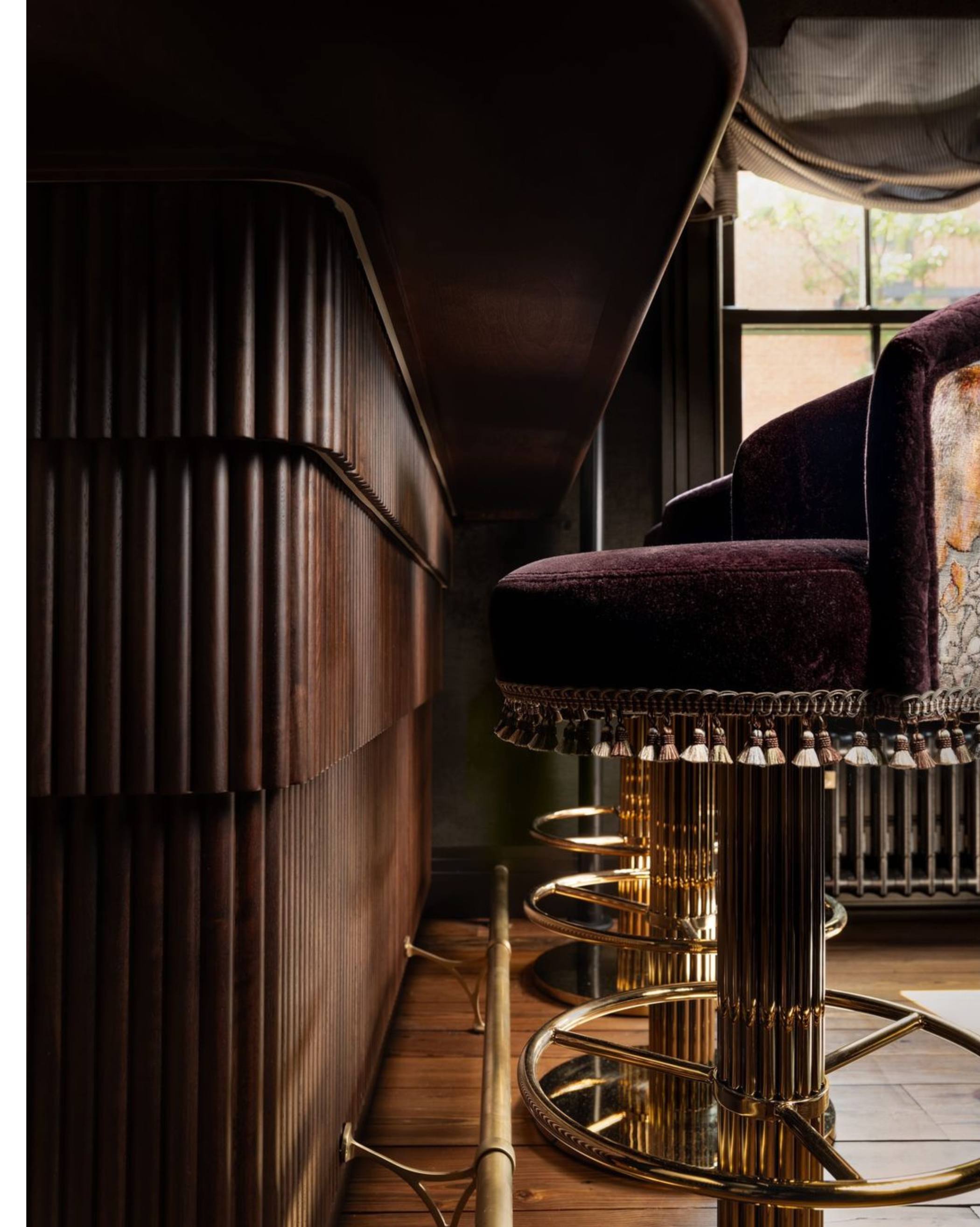
S&S: Historically, trim often signaled status and craftsmanship. What do you think it communicates in a room today?
FT: Historically, trim represented status because it required skilled craftsmanship and bespoke labor. Today, I believe it communicates intention. Passementerie tells us that someone cared enough to consider the details. It brings softness, texture, and a sense of completion to a room. I often compare it to the lining of a beautifully tailored jacket or the finishing details of couture. It may not be the first thing a person notices, but it contributes to the feeling that something has been thoughtfully crafted. In a world that increasingly values speed and efficiency, trim reminds us of the beauty of refinement.


.png)
Subscribe to our newsletter to be the first to join us as we unlock the door to our latest collaboration on January 17th.


.png)
.png)
.png)